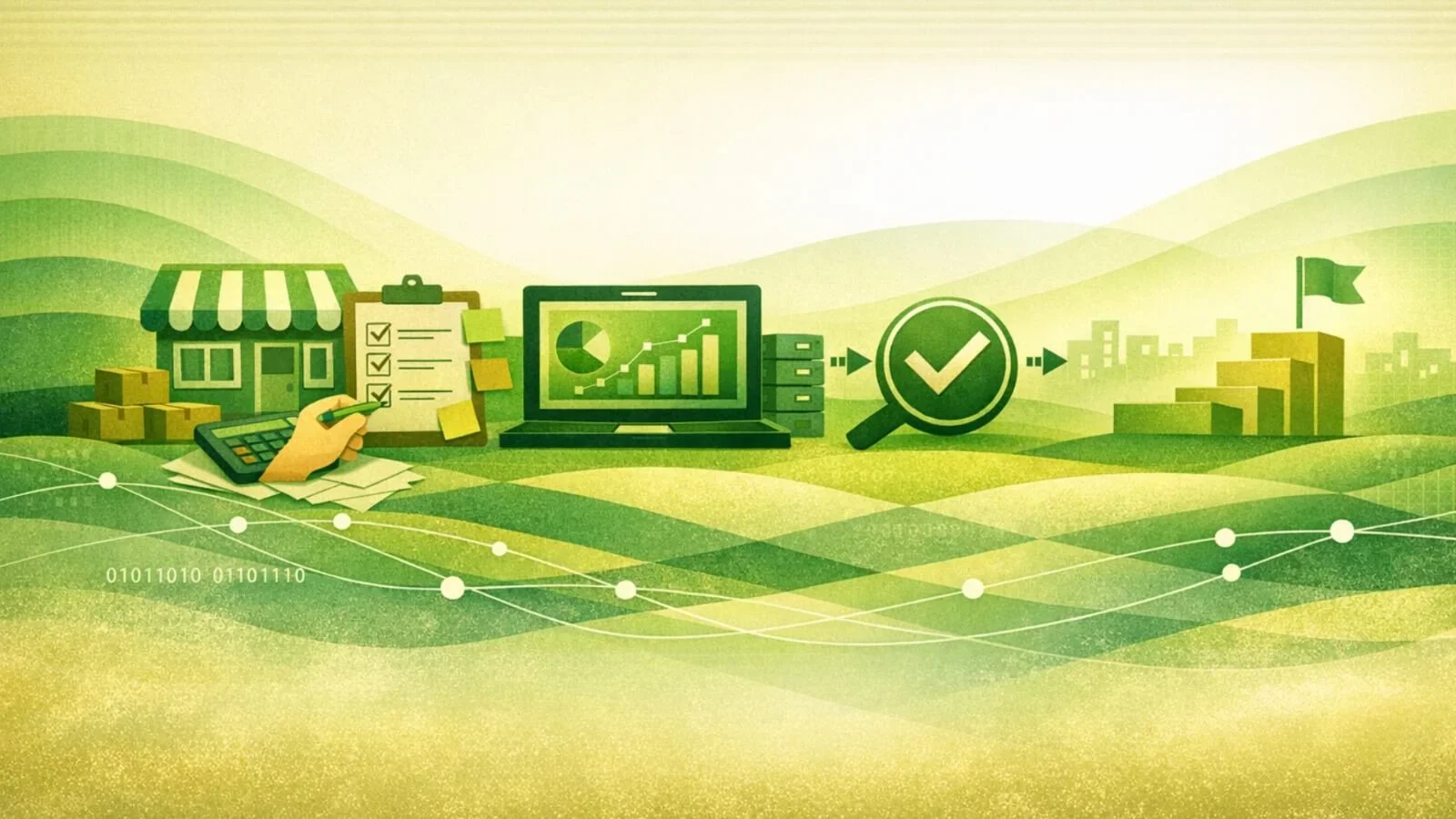
Many businesses operate for years without digital systems. Notebooks, spreadsheets, WhatsApp messages, and memory are often enough… until they are not. The problem does not appear overnight. It develops gradually: more orders, more supplies, more people involved, and suddenly less control.
Digitizing a business does not mean making it complex. It means organizing what already exists so you can work better.
“Before”: reactive and disorganized management
Before going digital, most small businesses share these symptoms:
- No one knows exactly how much stock is available
- Production is organized “as you go”
- Errors are detected too late
- There is no clear data for making decisions
- Time is lost searching for information
Everything depends on people and memory. When someone is absent or volume increases, the system breaks down.
👉 This situation is often directly related to common production management mistakes that happen again and again.
The tipping point: when growth demands order
A point comes when the business grows but its management does not keep pace. That is when key questions arise:
- Why are we losing time if we are selling more?
- Where are the errors occurring?
- Why do we never know the actual stock level?
That is the ideal time to go digital, before disorder slows growth.
“After”: clear information and real control
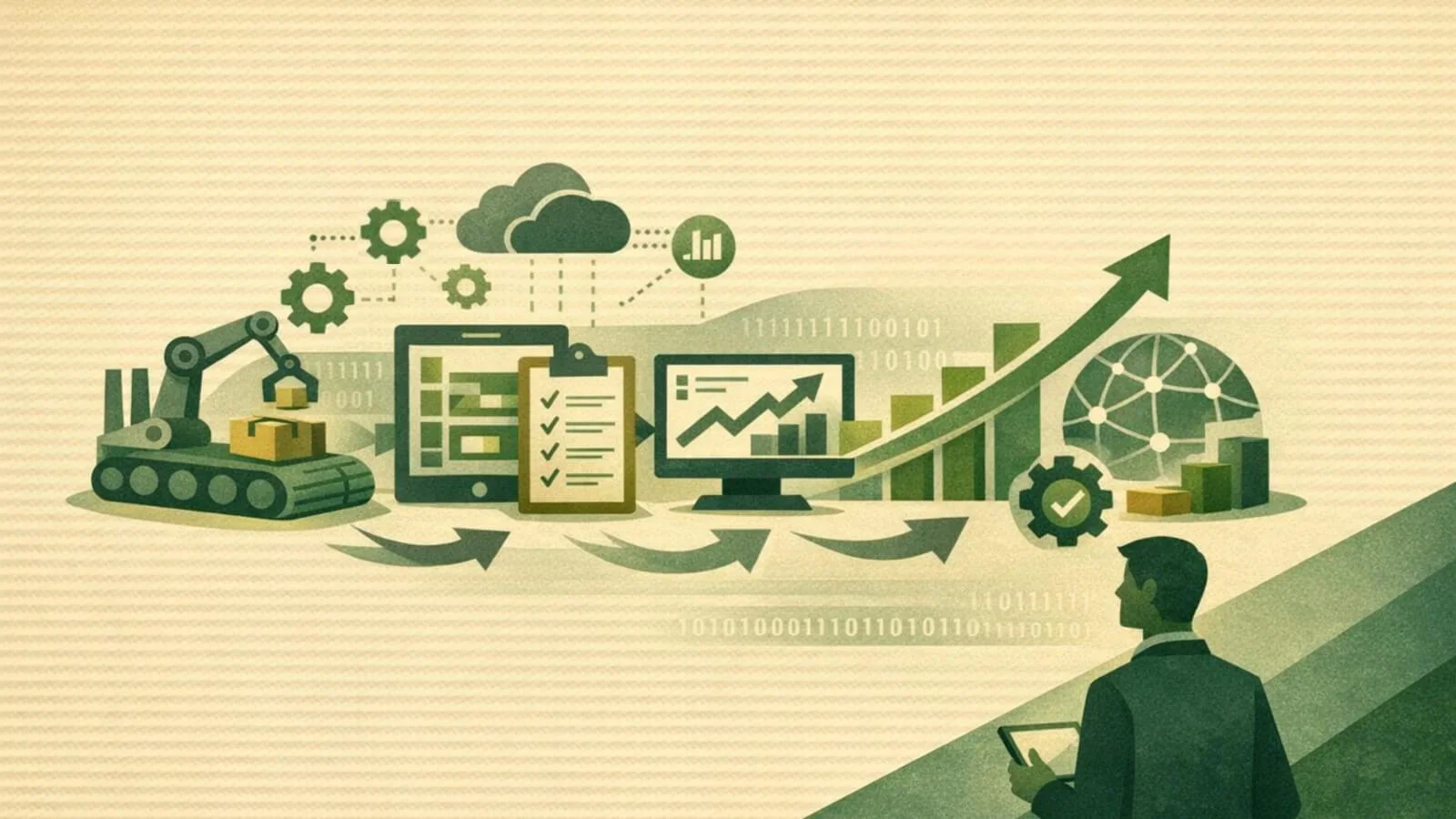
When a business digitizes its production and inventory, the change is tangible:
- You know what is available, what is missing, and what is being produced
- Tasks are organized into clear stages
- Errors are detected earlier
- Decisions are made using real data
You do not work more: you work better.
Digitizing does not mean making things complicated
One of the most common concerns is that digitization involves expensive systems that are difficult to use. In reality, there are now tools designed specifically for small businesses.
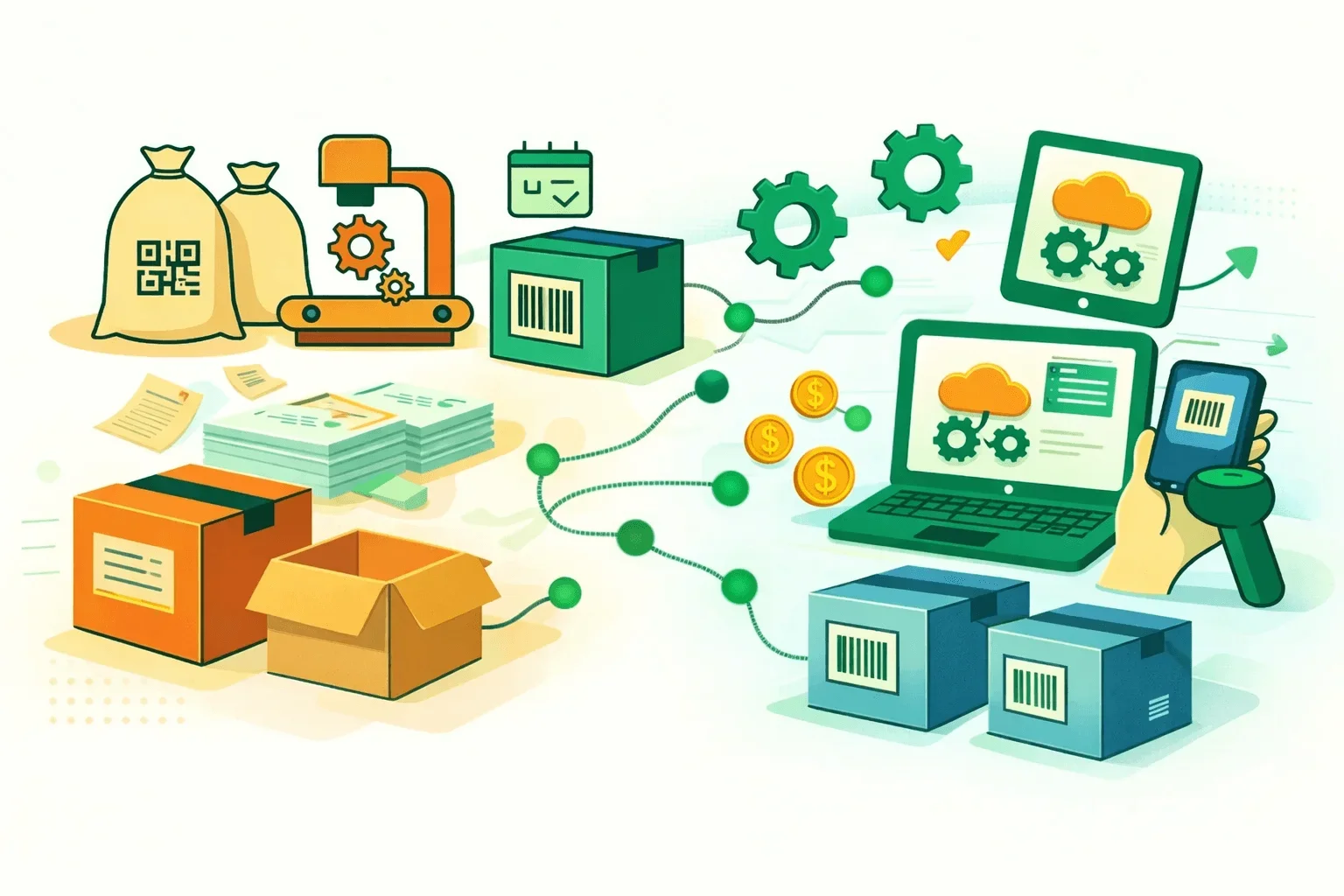
Solutions such as PiSeun let you digitize production, stock, and processes without radically changing how you work. The system adapts to the business, not the other way around.
👉 Effective digitization means professionalizing production without major investments.
Results you notice quickly
The first changes generally noticed are:
- less rework
- fewer emergencies
- greater predictability
- better use of time
- greater control over the business
All of this has a direct impact on profitability.
Conclusion
The difference before and after digitizing a business is visible not only in its systems, but also in the peace of mind with which people work. Organizing management is one of the most important steps a business can take to grow sustainably.